

No evidence Iran has decided to weaponize nuclear program, CIA chief says
William Burns laments that Tehran has not been taking negotiations seriously after seventh round of talks produced no breakthroughs
Jacob Magid is The Times of Israel's US bureau chief
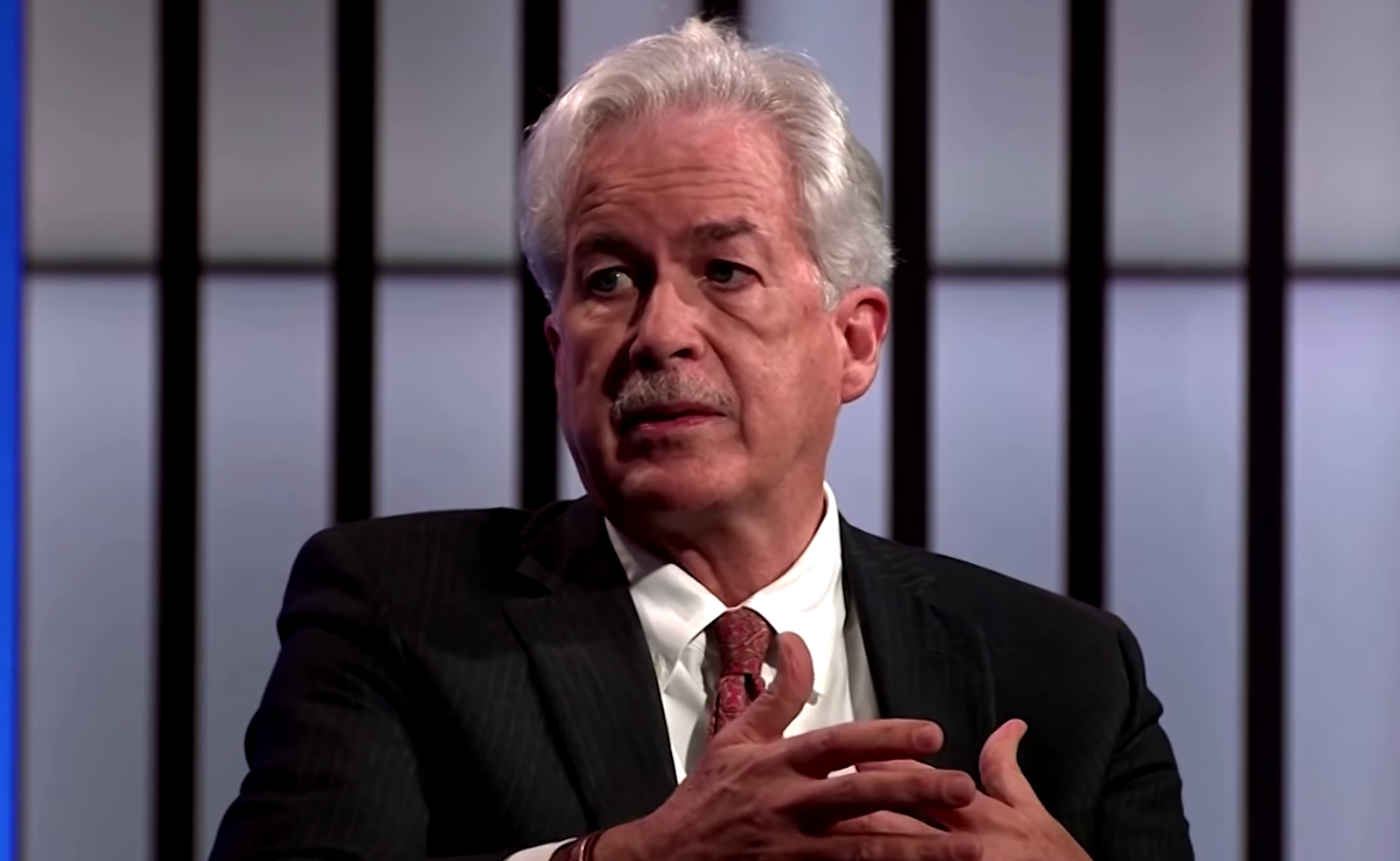
The head of the Central Intelligence Agency said Monday that the United States does not have evidence that Iran has made a decision to weaponize its nuclear program.
The US spy agency “doesn’t see any evidence that Iran’s Supreme Leader [Ali Khamenei] has made a decision to move to weaponize,” CIA Director William Burns told the Wall Street Journal’s annual CEO Council, according to CBS News.
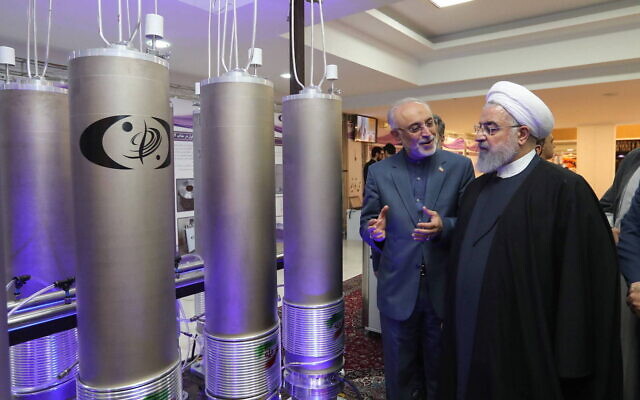
Iran has been accelerating its nuclear enrichment in recent months in what some analysts believe is a negotiation tactic in the ongoing Vienna talks aimed at reviving the multilateral nuclear accord known as the Joint Comprehensive Plan of Action, or JCPOA.
Burns said Monday that “the Iranians have not been taking the negotiation seriously at this point,” before adding, “we’ll see soon enough about how serious they are.”
Last month, Iran announced it had almost doubled its stock of enriched uranium in less than a month. “We have more than 210 kilograms [463 pounds] of uranium enriched to 20 percent, and we’ve produced 25 kilos [55 pounds] at 60%, a level that no country apart from those with nuclear arms are able to produce,” said Atomic Energy Organization of Iran (AEOI) spokesman Behrouz Kamalvandi.
Sixty percent enrichment is a short technical step away from the 90% enriched uranium needed for a nuclear weapon. Under the JCPOA, Iran was barred from enriching uranium above 3.67%. Iran claims it only enriches uranium for medical purposes and research.
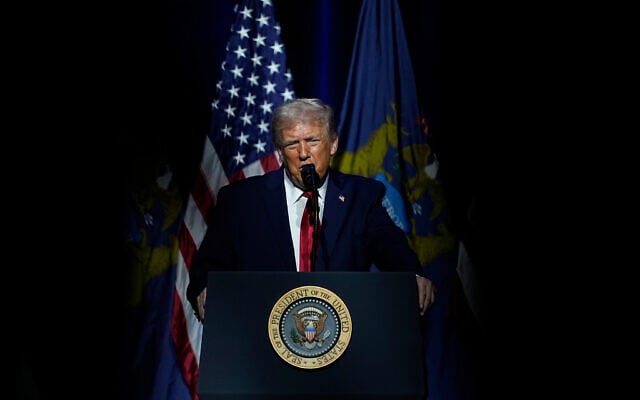
Tehran has progressively abandoned its commitments to the 2015 nuclear deal since then-US president Donald Trump pulled Washington out in 2018, prompting Washington to impose fresh sanctions in response.
On October 10, AEOI head Mohammad Eslami said his country had produced more than 120 kilograms (265 pounds) of 20% enriched uranium, in theory allowing the manufacture of medical isotopes used mainly in diagnosing certain cancers.
US and Iranian negotiators returned to Vienna last week for the first time in roughly five months after a Tehran-induced hiatus that followed the election of hardline Iranian President Ebrahim Raisi. The seventh round of talks ended last Friday, with the US accusing Iran of walking back on commitments it had made during previous meetings.
Talks are reportedly set to resume on Thursday after Western negotiators returned to their home countries to review a pair of draft proposals submitted by Iran.
AFP contributed to this report
If so, we have a request.
Every day during the past two years of war and rising global anti-Zionism and antisemitism, our journalists kept you abreast of the most important developments that merit your attention. Millions of people rely on ToI for fact-based coverage of Israel and the Jewish world.
We care about Israel - and we know you do too. So we have an ask for this new year of 2026: express your values by joining The Times of Israel Community, an exclusive group for readers like you who appreciate and financially support our work.


The Times of Israel Community.